
Differentiating Dry Needling and Acupuncture
Request an Appointment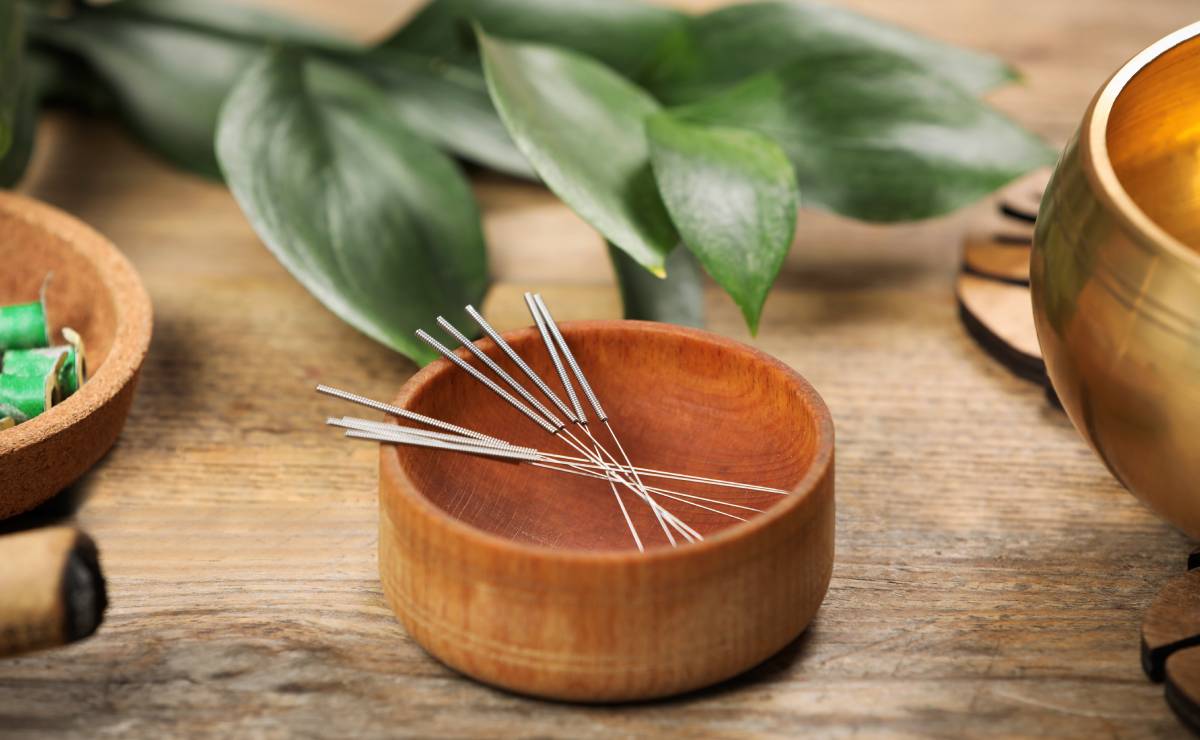
Understanding Acupuncture
Acupuncture is an ancient healing practice rooted in Traditional Chinese Medicine (TCM), dating back over 2,500 years. It is based on the concept of Qi (pronounced "chee"), the vital energy that flows through the body along specific pathways known as meridians. Practitioners believe that disruptions in this energy flow can lead to various health problems. By inserting extremely thin needles into specific acupuncture points, the aim is to restore balance and promote healing.
During an acupuncture session, the needles are typically retained in place for 15 to 30 minutes. This treatment targets a wide range of conditions, including chronic pain, stress, anxiety, insomnia, and digestive issues. The holistic approach of acupuncture considers the body as a whole, focusing on restoring overall well-being.
The Emergence of Dry Needling
On the other hand, dry needling is a modern technique that originated in Western medicine during the 20th century. Unlike acupuncture, which is deeply rooted in ancient philosophy, dry needling is based on principles of anatomy, physiology, and neurology. This technique specifically targets myofascial trigger points—tender knots within muscles that can lead to pain and dysfunction.
In dry needling, needles are inserted directly into these trigger points, often eliciting a twitch response in the muscle. This response indicates the release of tension and aids in restoring normal muscle function. Dry needling is particularly effective for treating musculoskeletal issues such as muscle pain, stiffness, and sports injuries.
Key Differences Between Dry Needling and Acupuncture
- Origins and Philosophy:
- Acupuncture: Rooted in TCM, focuses on balancing Qi and addressing overall health.
- Dry Needling: A modern technique targeting specific muscular issues based on Western medical principles.
- Technique:
- Acupuncture: Uses thin, flexible needles inserted at various depths along meridian points.
- Dry Needling: Utilizes slightly thicker needles inserted into trigger points to relieve muscle tension.
- Treatment Duration:
- Acupuncture: Needles are typically left in place for 15 to 30 minutes.
- Dry Needling: Needles are often used for shorter durations and focus on immediate relief of muscle tension.
- Conditions Treated:
- Acupuncture: Addresses a broad range of conditions, including stress reduction, anxiety, and chronic pain.
- Dry Needling: Primarily focuses on musculoskeletal issues, making it popular in physical therapy and sports medicine.
Choosing the Right Treatment
When deciding between acupuncture and dry needling, it’s essential to consider your specific health concerns and treatment goals. If you are looking for a holistic approach to balance your overall health, acupuncture may be the better choice. However, if your primary issue involves muscle pain or dysfunction, dry needling may provide more targeted relief.
At Remedy Massage Therapy in Richmond, we offer both acupuncture and dry needling as part of our comprehensive range of services. Our experienced practitioners are dedicated to understanding your individual needs and tailoring treatments that best suit your health goals. Whether you are dealing with chronic pain, sports injuries, or general stress, we are here to help you find the right path to wellness.
Conclusion
Both dry needling and acupuncture offer valuable therapeutic benefits, but serve different purposes. Understanding their unique characteristics can empower you to make informed choices about your health. If you're interested in exploring these treatments further, consider scheduling a consultation with our team at Remedy Massage Therapy. We are committed to helping you achieve your wellness goals through personalized care and expert guidance.
For more information and to book an appointment, visit us online or contact us directly. Discover how acupuncture in Richmond can enhance your health and well-being today!